
Managing Heat Distribution in Older Chicago Buildings
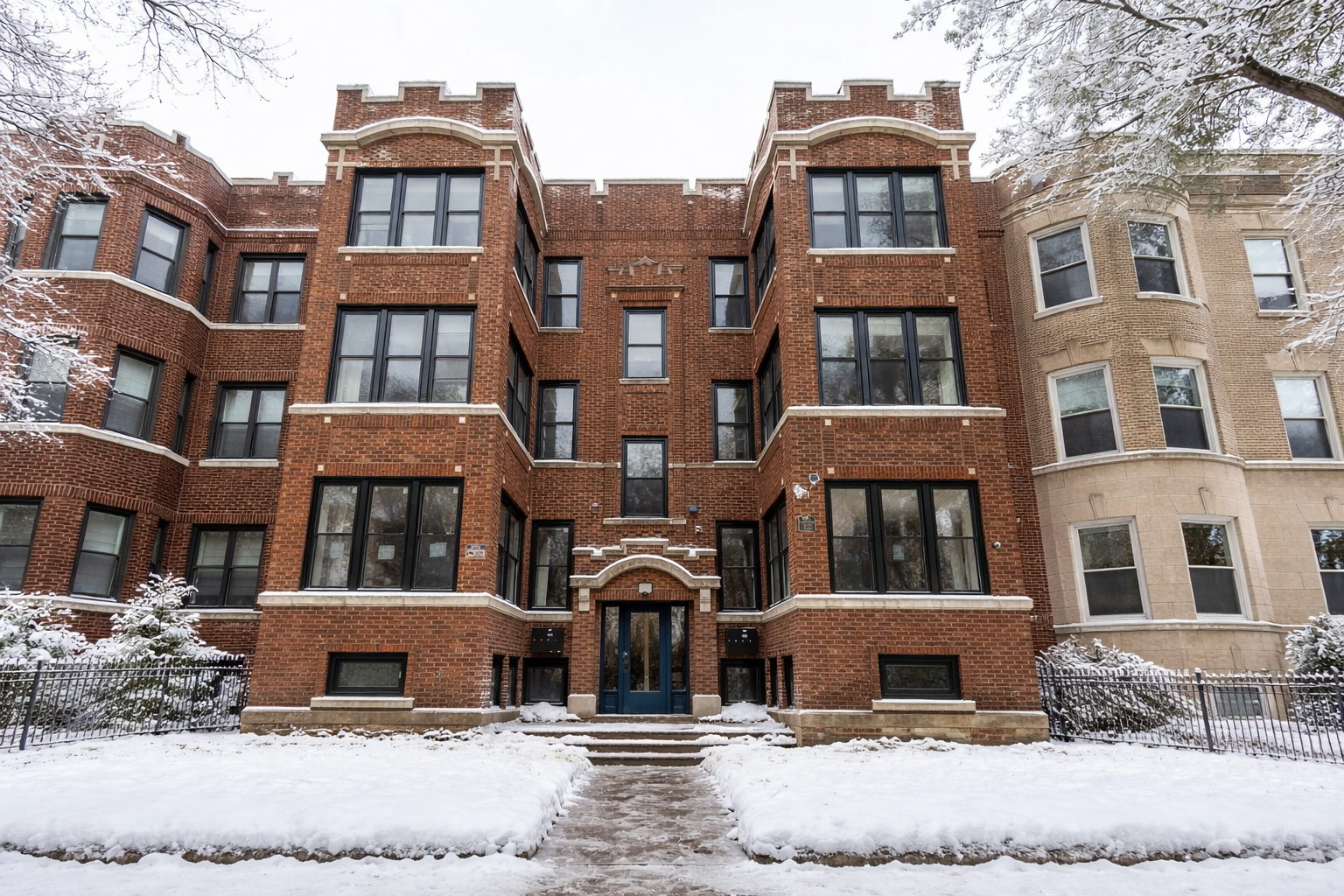
Chicago’s historic apartment buildings are full of charm—but they also come with unique heating challenges. Many older multifamily buildings were constructed long before modern HVAC standards, making heat distribution uneven during harsh Midwest winters. For property owners and managers, understanding how to manage heating systems efficiently is essential for tenant comfort, compliance, and cost control.
Why Heat Distribution Is a Challenge in Older Buildings
Many Chicago buildings still rely on steam or hot water radiator systems installed decades ago. While durable, these systems weren’t designed with individual unit temperature control in mind.
Common contributing factors include:
- Aging boilers and piping
- Limited insulation
- Drafty windows and doors
- Poor system balancing
- Vertical air movement in taller buildings
In high-rise buildings especially, the “stack effect” can cause warm air to rise and escape through upper floors while drawing cold air into lower units. You can learn more about this airflow phenomenon from the U.S. Department of Energy’s explanation of the stack effect.
Chicago’s Heating Requirements
Property owners in Chicago must comply with the city’s Heat Ordinance, which requires landlords to maintain minimum indoor temperatures during the heating season. Details on these requirements can be found directly on the City of Chicago’s website.
Understanding and meeting these standards is critical to avoiding violations and ensuring resident safety.
Practical Ways to Improve Heat Distribution
Here are proven strategies for improving heating performance in older Chicago buildings:
1. Regular Boiler & System Maintenance
Routine inspections help detect pressure imbalances, radiator valve issues, and aging components before they cause major problems. Energy efficiency recommendations for existing buildings can be found through ENERGY STAR resources.
2. Improve Insulation & Air Sealing
Older masonry buildings often lack proper insulation. Sealing air leaks and improving insulation can dramatically improve heat retention. The U.S. Department of Energy offers guidance on insulation upgrades here.
3. Balance the Heating System
Balancing ensures heat is distributed evenly across all units. In steam systems, this may involve adjusting radiator vents. In hydronic systems, installing balancing valves can help. For a technical overview of hydronic balancing, see this resource.
4. Install Thermostatic Radiator Valves (TRVs)
TRVs allow more localized temperature control in radiator-heated units, helping reduce overheating and energy waste.
5. Upgrade Controls & Monitoring
Smart boiler controls and temperature monitoring systems allow property managers to better regulate heating output and respond quickly to complaints.
Why Proactive Heat Management Matters
Addressing uneven heat distribution leads to:
- Fewer tenant complaints
- Improved lease renewals
- Lower utility costs
- Reduced strain on aging equipment
- Compliance with city regulations
In competitive rental markets like Chicago, comfort plays a major role in resident satisfaction.
If you're currently searching for professionally managed rental options in Chicago, you can explore available units on our Vacancies page.
To learn more about our approach to maintaining and managing properties throughout the city, visit About NXT Realty.
For additional property management insights and housing resources, browse our other Blog Posts.
Final Thoughts
Managing heat distribution in older Chicago buildings requires a balance of maintenance, modernization, and compliance awareness. While vintage structures present challenges, strategic upgrades and proactive management can dramatically improve comfort and efficiency.
With the right systems and oversight in place, Chicago’s historic buildings can remain warm, safe, and welcoming—even during the coldest winter months.