
Improving Air Quality During Closed-Windows Season
When temperatures drop and windows stay shut for months, indoor air quality can decline quickly. Stale air, increased humidity, dust, and everyday household pollutants become trapped inside—impacting comfort, productivity, and even long-term health. Fortunately, you can take several simple steps to keep the air in your home fresh and clean all winter long.
At NXT Realty, we care about helping residents maintain healthier, more comfortable living environments. Here are the most effective strategies for improving indoor air quality when opening the windows just isn’t an option.
1. Replace HVAC Filters Regularly
Your HVAC filter is the first line of defense against indoor pollutants. During closed-windows season, your heating system works harder and circulates more air through the filter—causing it to clog faster.
Best practice:
Replace HVAC filters every 30–60 days during winter.
To learn more about how filters affect air quality, check the EPA’s guide on indoor air pollutants.
2. Use Air Purifiers in High-Traffic Rooms
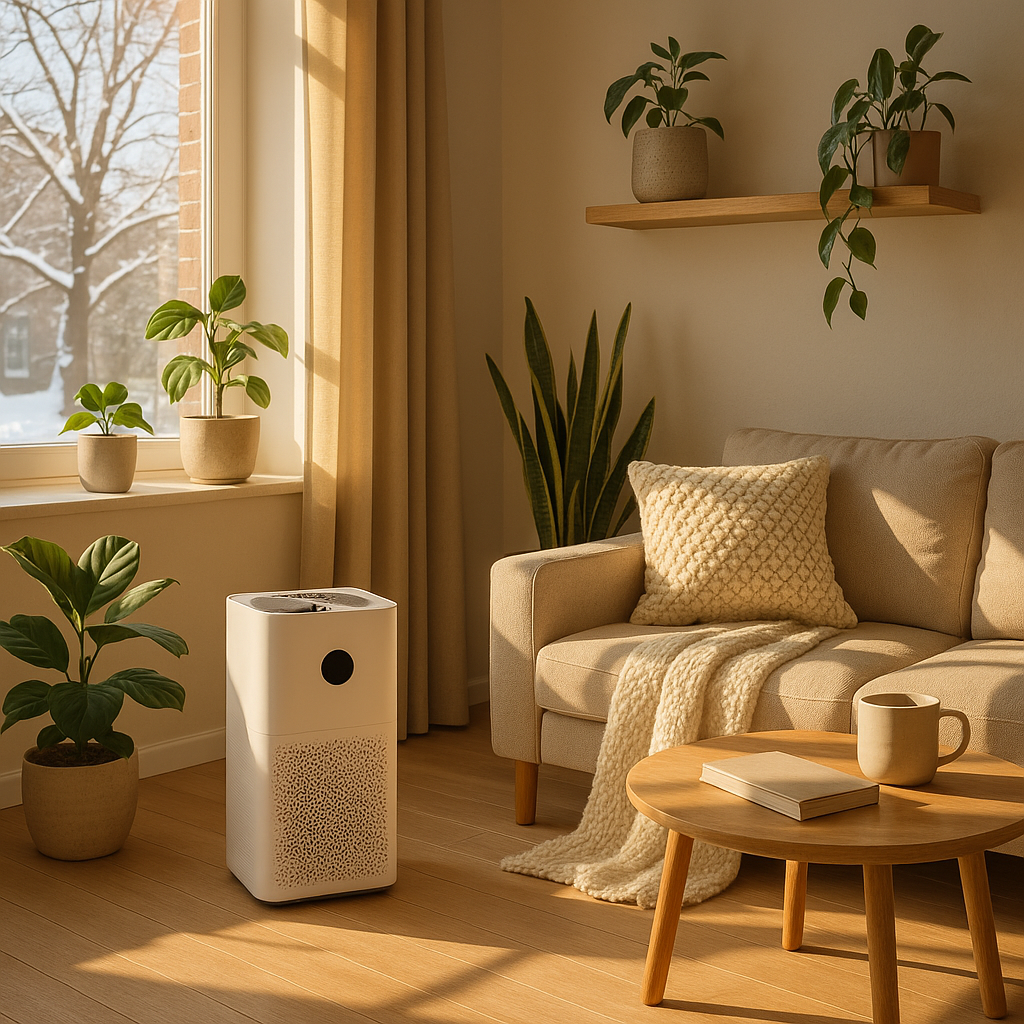
Air purifiers with HEPA filters help reduce dust, pet dander, pollen, and other airborne particles. Place them in bedrooms, living rooms, and any space where people spend a lot of time.
For help choosing the right air purifier, here’s a helpful reference from Consumer Reports.
3. Manage Humidity Levels
Low humidity causes dry skin and irritated sinuses, while high humidity encourages mold and dust mites. Winter brings fluctuating moisture levels, especially when the heat is running constantly.
Ideal indoor humidity: 30–50%
A small humidifier or dehumidifier can keep levels balanced. More guidance is available from the Mayo Clinic.
4. Clean Regularly and Reduce Dust Buildup
Dust is more than an annoyance—it's a major source of indoor allergens. Regular cleaning during the closed-windows season is crucial.
Quick tips:
- Dust with microfiber cloths
- Vacuum carpets and rugs weekly
- Wash bedding frequently
- Declutter surfaces that collect dust
For professional tips on reducing allergens, visit the American Lung Association.
5. Ensure Proper Ventilation in Kitchens and Bathrooms
Even when windows are closed, you can reduce pollutants by using exhaust fans while cooking or showering. This helps remove moisture, smoke, and airborne particles that lower air quality.
To understand how ventilation impacts indoor health, check out this resource from ASHRAE.
6. Introduce Clean-Air Plants (Optional Boost)
While plants alone won’t solve indoor air quality issues, they can contribute to a fresher atmosphere. Low-maintenance indoor plants—such as snake plants, pothos, and spider plants—can help improve ambiance and add slight natural filtration.
7. Stay Informed and Maintain Your Property
If you're renting or managing rental properties, maintaining healthy indoor air quality is part of responsible home care. At NXT Realty, we’re committed to ensuring our residents live comfortably year-round.
Looking for a new home with clean, well-maintained living spaces?
👉 Explore current
vacancies
Want more insights on property care and living well?
👉 Visit our
blog
Curious about who we are and how we help tenants and owners?
👉 Learn more
about us
Final Thoughts
Improving indoor air quality during closed-windows season doesn’t have to be complicated. With a combination of smart filtration, humidity management, regular cleaning, and proper ventilation, you can create a healthier home environment all winter long.
If you have questions about optimizing your rental’s air quality or need support maintaining your property, our team at NXT Realty is always here to help.