

Heat Retention Tips for Chicago Tenants: Stay Warm, Save Money, and Beat the Midwest Winter
Chicago winters are no joke. Between icy winds, sudden temperature drops, and long stretches of freezing weather, keeping your apartment warm without driving up your heating bill can feel like a challenge. The good news is that with a few smart strategies, you can improve heat retention, reduce drafts, and enjoy a much cozier home.
Whether you live in a vintage Chicago walk-up, a courtyard building, or a modern apartment, these practical heat-saving tips will help you stay comfortable throughout the winter season.
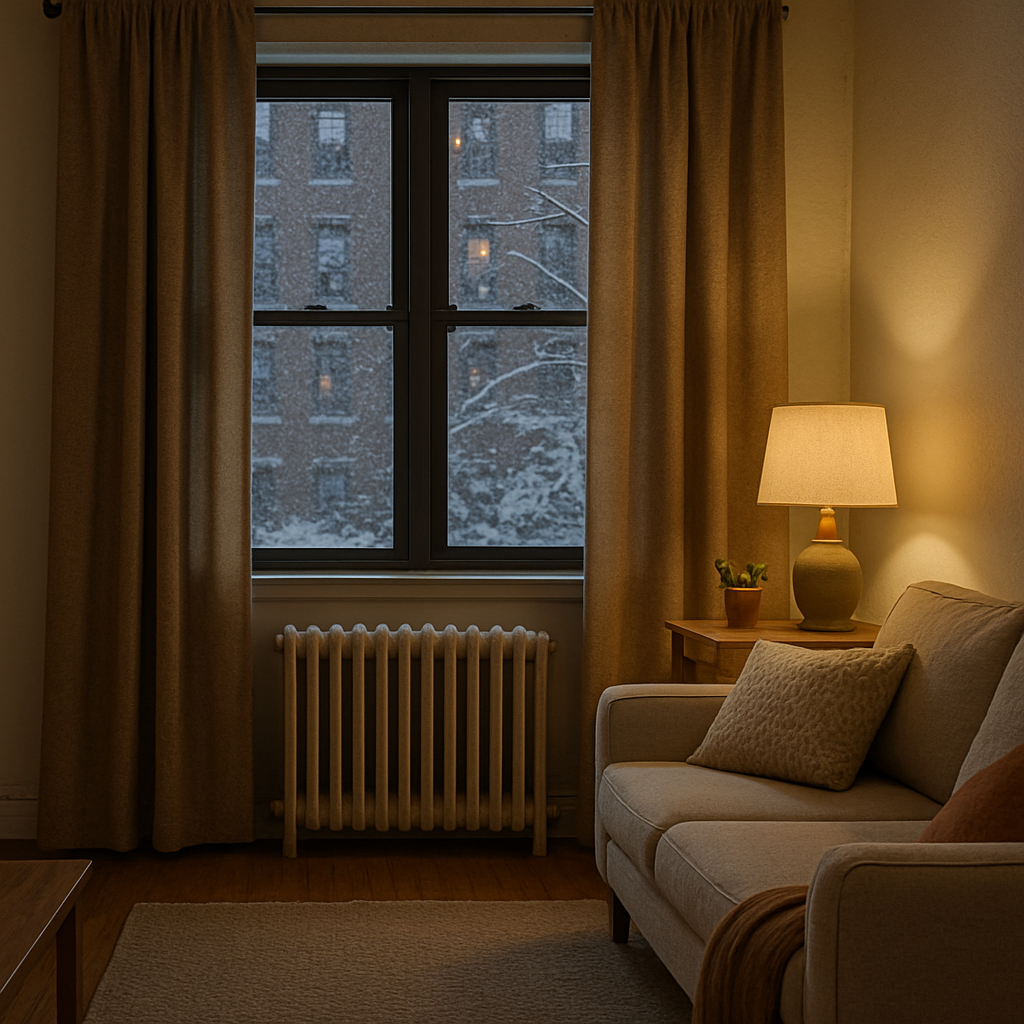
1. Let the Sun Do the Work
Even on very cold days, Chicago receives bright winter sunlight.
- Open your curtains during the day, especially on south-facing windows
- Allow natural light to warm your apartment
- Close curtains at night to keep the warmth inside
For even better insulation, consider thermal curtains. You can browse options here:
2. Seal Drafts Around Windows and Doors
Older Chicago buildings often have drafty windows and doors where warm air escapes and cold air creeps in.
Heat loss commonly occurs around:
- Window frames
- Door frames
- Sliding balcony doors
Easy and affordable fixes include:
- Weather stripping
- Window insulation film
- Door draft stoppers
Here are direct links to helpful products:
If a draft persists even after sealing, let your property manager know so it can be inspected.
3. Use Rugs to Warm Up Floors
Hardwood and tile floors become very cold in the winter. Placing area rugs helps reduce heat loss and makes walking around far more comfortable.
Consumer Reports shares helpful tips for choosing area rugs that add warmth.
4. Keep Vents and Radiators Clear
If you have forced-air heat, check that vents are not blocked by furniture or curtains.
If your building uses radiators, which is common in older Chicago units, make sure nothing is placed on top of the radiator and that there is space around it so warm air can circulate efficiently.
Good airflow improves heating performance and overall comfort.
5. Reverse Your Ceiling Fans
Most ceiling fans include a small switch that changes their direction.
In winter, set your ceiling fan to spin clockwise at a low speed. This gently pushes warm air downward without creating a breeze.
6. Use a Programmable Thermostat Wisely
A programmable or smart thermostat can help reduce heating costs while maintaining comfort.
Try setting:
- Lower temperatures while you sleep
- Lower temperatures while you are away
- A warm-up schedule before you wake or return home
EnergyStar offers detailed thermostat tips here.
7. Close Doors to Unused Rooms
Closing off unused spaces helps concentrate warmth in the rooms you use most often. This helps your heating system work more efficiently and improves comfort.
8. Maintain Healthy Humidity Levels
Chicago winters are extremely dry. Keeping indoor humidity at a healthy level increases comfort and helps retain heat.
Ways to add humidity include:
- Using a humidifier
- Placing a bowl of water near a radiator
Weather.com provides useful guidance on ideal indoor humidity levels.
9. Know Chicago’s Heating Requirements
Chicago has specific heating minimums that landlords must follow:
- At least 68°F from 8:30 AM to 10:30 PM
- At least 66°F from 10:30 PM to 8:30 AM
You can view the official Chicago Heat Ordinance here.
If your apartment feels colder than these temperatures, contact your property manager right away.
Looking for a New Apartment This Winter
NXT Realty manages quality homes across Chicago and the surrounding suburbs. You can view available units here.
Want more tips for Chicago living: NXT Realty Blog
Learn more about NXT Realty and how we support our residents.
Final Thoughts
Keeping warm in a Chicago winter does not have to mean high heating bills. With simple adjustments such as sealing drafts, using sunlight effectively, improving airflow, and maintaining humidity, you can significantly improve heat retention and enjoy a more comfortable home.
If you have ideas for future blog topics, we would be happy to hear them.