

Ventilation Tips for Winter Indoor Living
Chicago winters are known for freezing temperatures, strong winds, and long stretches of closed windows. While sealing your apartment helps keep heat in, it can also reduce indoor air quality—especially in Chicago apartments and multi-unit buildings where airflow may already be limited.
Maintaining proper ventilation during winter is essential for comfort, health, and preventing moisture-related issues. Whether you live in a vintage walk-up or a newer Chicago rental, these tips will help improve indoor air quality throughout the colder months.
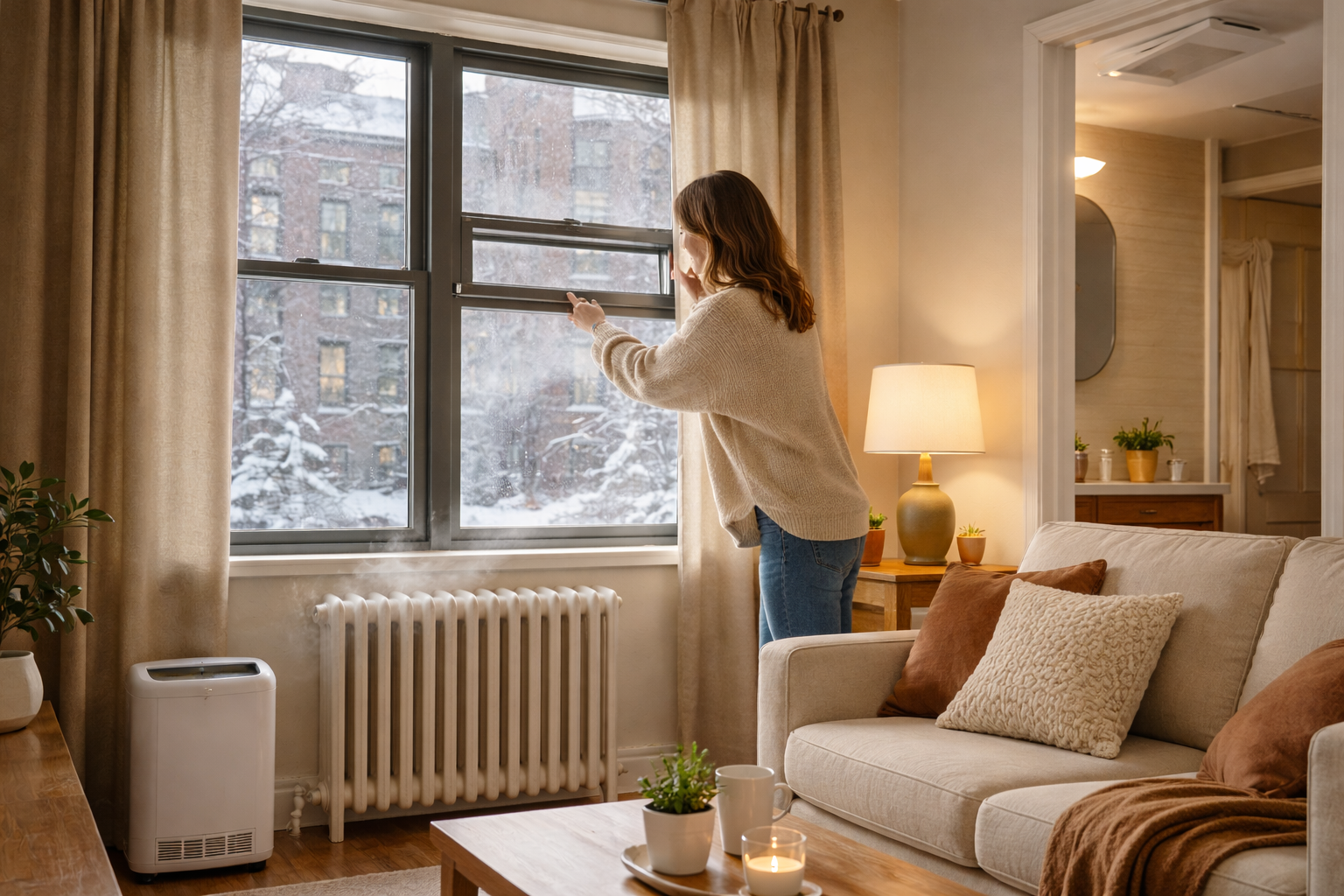
Why Winter Ventilation Matters in Chicago
According to the U.S. Environmental Protection Agency (EPA), indoor air can be 2–5 times more polluted than outdoor air. During Chicago winters, closed windows and continuous heating allow pollutants to build up more quickly.
Common winter indoor air concerns in Chicago apartments include:
- Condensation on windows
- Mold and mildew in bathrooms and kitchens
- Trapped cooking odors
- Dust and allergens circulating through heating systems
Proper ventilation helps protect both your health and your living space.
1. Use Kitchen and Bathroom Exhaust Fans Consistently
Exhaust fans are especially important in Chicago apartments where opening windows isn’t always practical.
- Run bathroom fans during and after showers to reduce humidity.
- Use kitchen exhaust fans when cooking to remove moisture, smoke, and grease.
The EPA identifies exhaust ventilation as one of the most effective ways to control indoor pollutants during colder months.
2. Air Out Your Apartment—Even Briefly
You don’t need to leave windows open for long periods to benefit from fresh air.
- Open windows for 5–10 minutes during warmer midday hours.
- If possible, open windows in different rooms to create cross-ventilation.
The Centers for Disease Control and Prevention (CDC) notes that even short ventilation periods can significantly reduce indoor contaminant levels.
3. Manage Indoor Humidity Levels
While winter air in Chicago is often dry, indoor activities can still create excess moisture.
- Aim for indoor humidity between 30% and 50%, as recommended by Energy.gov.
- Watch for condensation on windows, which may indicate high humidity.
- Use a dehumidifier if necessary, especially in garden units or lower-level apartments.
Balanced humidity helps prevent mold growth and improves overall comfort.
4. Keep Heating Systems and Airflow Clear
If your apartment has forced-air heating:
- Make sure vents are not blocked by furniture or rugs.
- Replace or clean air filters regularly if accessible.
- Report weak airflow or uneven heating to management.
The American Society of Heating, Refrigerating and Air-Conditioning Engineers (ASHRAE) emphasizes the importance of airflow and ventilation for healthy indoor environments.
5. Consider an Air Purifier for Added Support
Air purifiers with HEPA filters can help reduce dust, pet dander, and allergens—particularly helpful in dense urban areas like Chicago.
The American Lung Association recommends air purifiers as a supplement to proper ventilation, not a replacement for it.
Find a Chicago Apartment That Supports Healthy Living
Choosing the right apartment can make a significant difference in indoor comfort and air quality. If you’re currently searching for a rental, browse our available vacancies to find Chicago apartments that fit your lifestyle.
For more renter tips, seasonal maintenance advice, and local housing insights, visit our blog. You can also learn more about our approach to Chicago property management on our About Us page.
Final Thoughts
Ventilation is often overlooked during winter, but it’s especially important in Chicago apartments, where long heating seasons and tightly sealed buildings are common. With a few simple habits and the right tools, you can maintain healthier indoor air and a more comfortable living environment all winter long.