
Planned Water Shutoffs and Building Work: What to Expect
Most buildings need repairs and upgrades from time to time. Some of that work, such as replacing a pipe, installing a new valve, or updating a water heater, requires the water to be turned off for a short period. Knowing what to expect ahead of time makes the day much easier to plan around.
Why Water Gets Shut Off
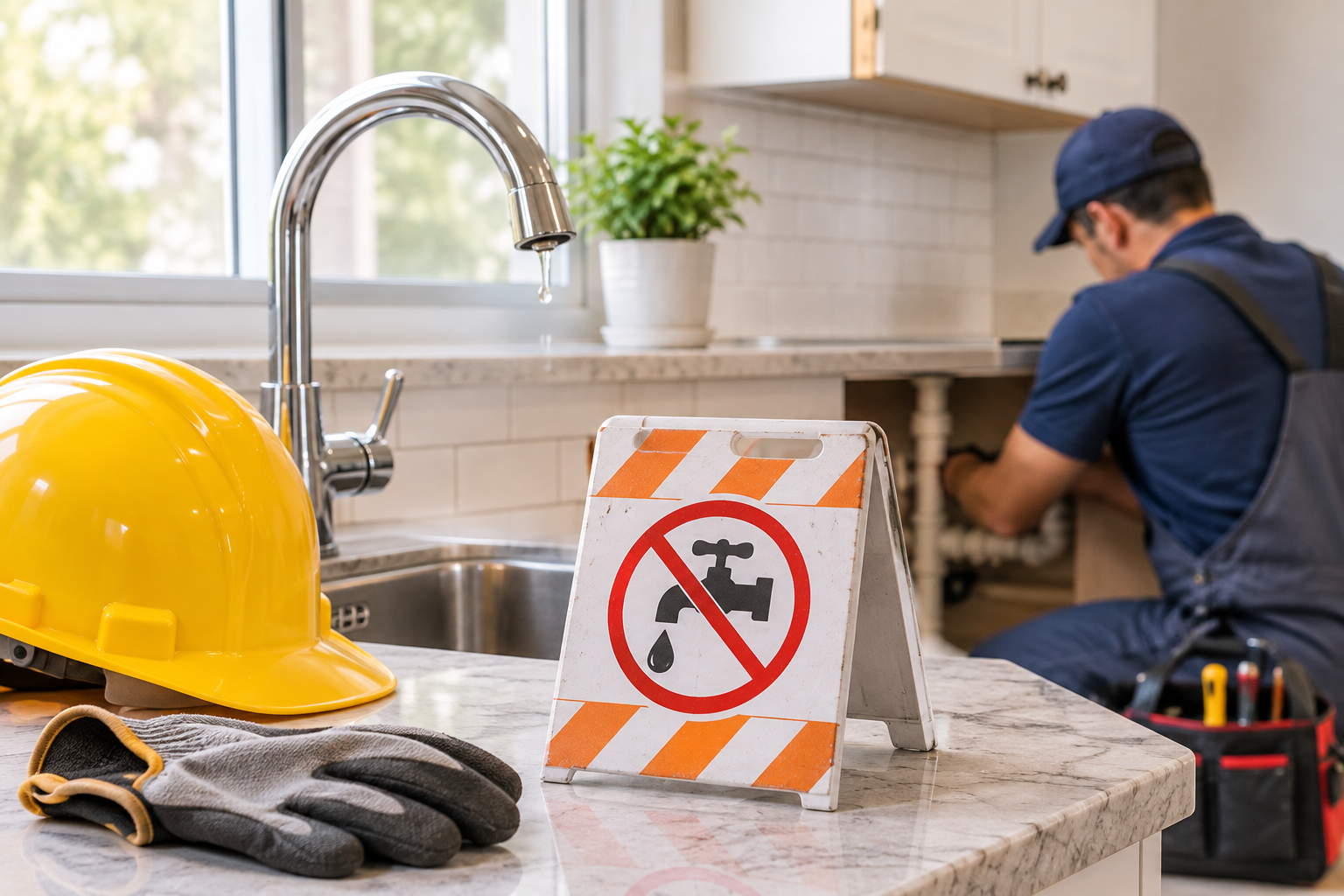
Water lines can’t be repaired or replaced while water is flowing through them. A shutoff gives the crew a safe, dry space to work and helps prevent leaks, damage, and mistakes. Common reasons include:
- Repairing or replacing pipes, valves, or fixtures
- Servicing or replacing a water heater
- Connecting new plumbing lines
- Work on the building’s main water supply
- Meter replacements or upgrades
Planned work is scheduled on purpose. It is usually done to prevent bigger problems later, like leaks, low pressure, or an unexpected failure at an inconvenient time.
How You’ll Be Notified
Whenever possible, you will receive advance notice of planned work. A notice typically includes:
- The date of the shutoff
- The expected start and end times
- Which units or areas are affected
- Who to contact with questions
Notices may arrive by email, text, a posted flyer, or a message in your tenant portal. It helps to keep your contact information up to date so nothing gets missed.
Before the Shutoff: Simple Ways to Prepare
A little planning goes a long way.
- Store water. Fill a few containers or a pitcher for drinking, cooking, and brushing teeth.
- Shower and do laundry ahead of time. Run the dishwasher and washing machine before the shutoff begins.
- Use the bathroom beforehand. Toilets won’t refill while the water is off.
- Check your schedule. If you work from home or have guests coming, plan around the shutoff window.
- Secure pets. Contractors may come in and out of common areas, so keep pets safe and comfortable.
During the Work
Expect some noise from tools and equipment. In some cases, the crew may need access to your unit, especially if the work involves a pipe, valve, or fixture inside it. You will be told ahead of time when this is the case, and the building team will do its best to keep the visit short.
A few things to keep in mind:
- Avoid running taps. If water is off, leave faucets closed to prevent flooding when it comes back on.
- Turn off the water heater if instructed. Some work calls for this, and you will be told if it applies to you.
- Stay clear of the work area. Keep hallways and access points open for the crew.
When the Water Comes Back On
When service is restored, you may notice a few harmless changes for a short time.
- Sputtering faucets. Air in the lines can cause spitting or sputtering. Run the cold water for a minute or two until the flow is steady.
- Cloudy or discolored water. Sediment can get stirred up in the pipes. Let the water run until it clears. If it stays discolored after several minutes, let your building team know.
- Temporarily low hot water. Hot water may take longer to return, especially if the water heater was involved.
What About Emergency Shutoffs?
Sometimes a shutoff can’t be planned. A burst pipe or major leak may require the water to be turned off immediately to prevent damage. In those cases, advance notice isn’t always possible, but updates are shared as soon as the situation is understood. If you notice a leak, water stains, or a sudden drop in pressure, report it right away through your tenant portal.
Helpful Tips for Tenants
- Know where the shutoff valve is for your unit’s sinks and toilets, in case of a small leak.
- Report slow drips and leaks early, since small issues are easier to fix.
- Keep your contact information current with your building management.
- Ask questions if a notice is unclear. A quick message can save confusion on the day of the work.
The Bottom Line
Planned water shutoffs are a normal part of keeping a building in good condition. They are usually short, scheduled in advance, and done to protect your home and the building’s systems. With a little preparation, most people barely notice the difference.
Knowing what to expect makes planned work easier to handle for everyone. If you have questions about an upcoming shutoff, reach out to your building management team.