
Preventing Frozen Pipes in Chicago Properties
Chicago’s winters are no joke. With temperatures frequently plunging below zero—and wind chills intensifying the cold—frozen pipes are a common and costly concern for both property owners and renters. Burst pipes can lead to flooding, mold growth, structural damage, and expensive repairs. Fortunately, prevention is possible with the right preparation.
This guide breaks down why frozen pipes happen, which areas are most vulnerable, and what steps both owners and tenants can take to protect Chicago properties.
Why Do Pipes Freeze in Chicago?
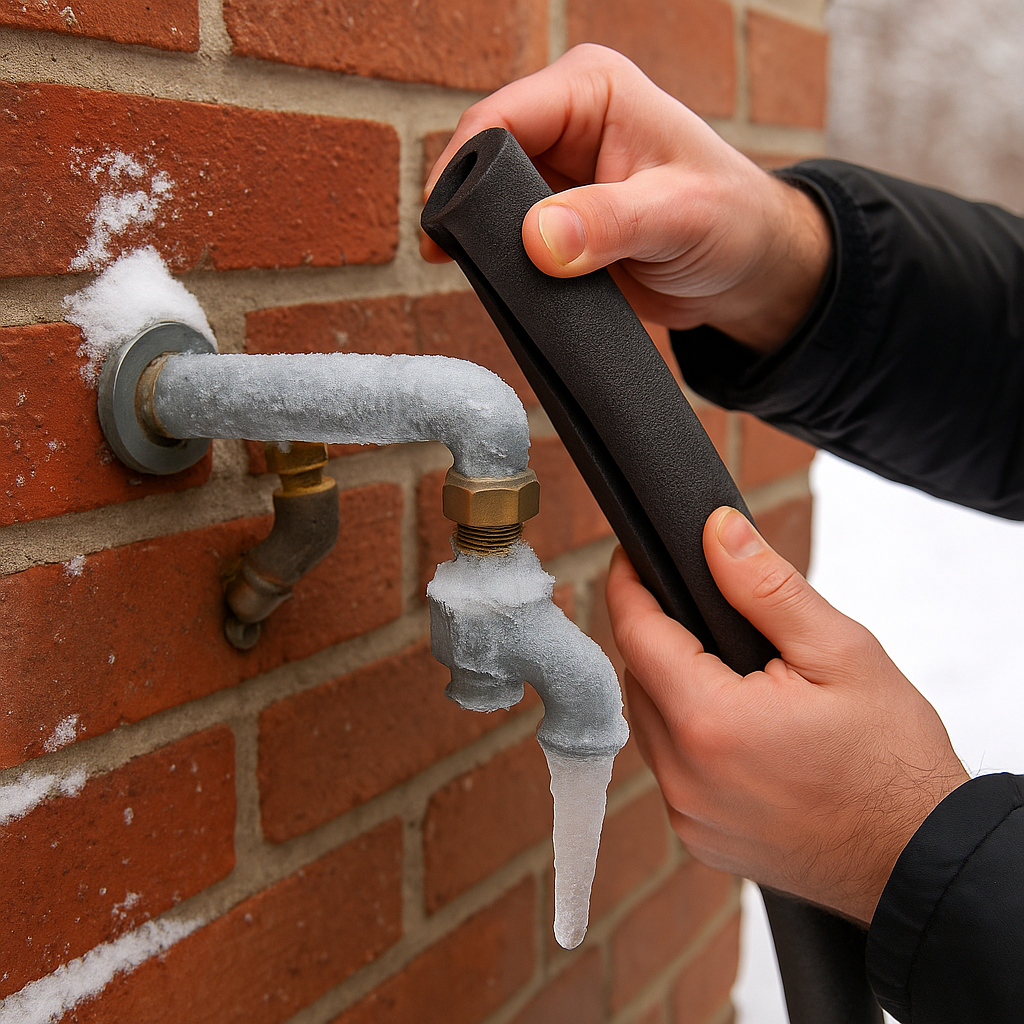
Chicago’s winter climate is unique due to lake-effect winds, rapid temperature swings, and extended cold periods. When temperatures fall to 32°F (0°C) or below, stagnant water inside plumbing can freeze, expand, and cause pipes to crack or burst.
👉 Learn more about how cold affects pipes
Common Areas Where Pipes Freeze
Frozen pipes are most likely to occur in:
- Basements and crawl spaces
- Exterior walls
- Under sinks
- Utility rooms
- Unheated additions
- Garages
- Outdoor hose lines
Chicago’s older building stock—especially brick two-flats and vintage courtyard buildings—often includes plumbing running through uninsulated exterior walls, making them especially vulnerable.
How Property Owners Can Prevent Frozen Pipes
1. Insulate Vulnerable Pipes
Pipe insulation sleeves or heat tape can protect exposed plumbing. Focus on basements, attics, and exterior wall spaces.
➡️ Good guide on pipe insulation
2. Seal Drafty Areas
Cold drafts entering through cracks can drastically reduce temperatures around pipes. Seal openings with caulk or spray foam.
3. Keep Indoor Temperatures Stable
Ensure the heat stays ON—even in unoccupied units—and keep thermostats at a minimum of 55°F per most safety guidelines.
➡️ More on recommended heating levels
4. Let Faucets Drip During Extreme Cold
A slow drip reduces pressure inside pipes and keeps water moving, preventing freezing.
5. Open Cabinet Doors
This allows warm indoor air to reach plumbing under sinks and along exterior walls.
6. Install Smart Leak Detectors
These devices alert owners when water flow stops or a pipe bursts.
➡️ Example of smart leak detection tech
Tips for Renters (Tenants) to Prevent Frozen Pipes
Tenants also play a vital role in preventing expensive damage. Here’s how renters can help:
1. Maintain Indoor Heat
Even when away, keep heat at 55°F or higher. Sudden cold snaps are common in Chicago.
2. Report Any Drafts or Cold Spots
Property owners can’t fix what they don’t know about—report cold rooms, broken windows, or drafty areas promptly.
3. Keep Interior Doors Open
Air should circulate freely throughout the apartment, especially in older Chicago buildings with uneven heating.
4. Allow Faucets to Drip During Overnight Freezes
This is especially important in garden units or rentals near the lakefront.
5. Disconnect Outdoor Hoses
This prevents ice from backing up into interior plumbing.
➡️ Winter plumbing safety tips
What to Do if a Pipe Freezes
If you suspect a pipe is frozen:
- Turn on the faucet to check water flow
- Use a hair dryer or warm cloth to thaw it (never use open flames)
- Keep the area warm and insulated
- Contact your landlord or maintenance team immediately
If a pipe bursts, shut off water at the main valve and call a professional plumber right away.
Chicago-Specific Considerations
Because of the city’s extreme wind chills and unpredictable temperature drops, preventive maintenance should begin early in the season—typically late October or November.
Older Chicago building types—such as greystones, bungalows, and pre-war walk-ups—often have plumbing that is more vulnerable due to:
- Uninsulated cavities
- Masonry walls that get extremely cold
- Outdated heating systems
- Lower-level “garden units” that sit below grade
Owners should consider annual inspections to identify weak points before winter hits.
Keep Your Property Safe This Winter
Whether you’re a renter or a property owner, preventing frozen pipes in Chicago is a shared responsibility—one that protects your home, saves money, and reduces emergencies during the coldest time of year.
For more Chicago-focused property insights, browse our resources: