
Safe Use of Space Heaters and Extension Cords in Apartments
When the weather turns cold, a space heater can make your apartment feel a lot more comfortable. It can also become a real hazard if it is set up the wrong way. Three habits, plug, space and watch, cover most of the risk.
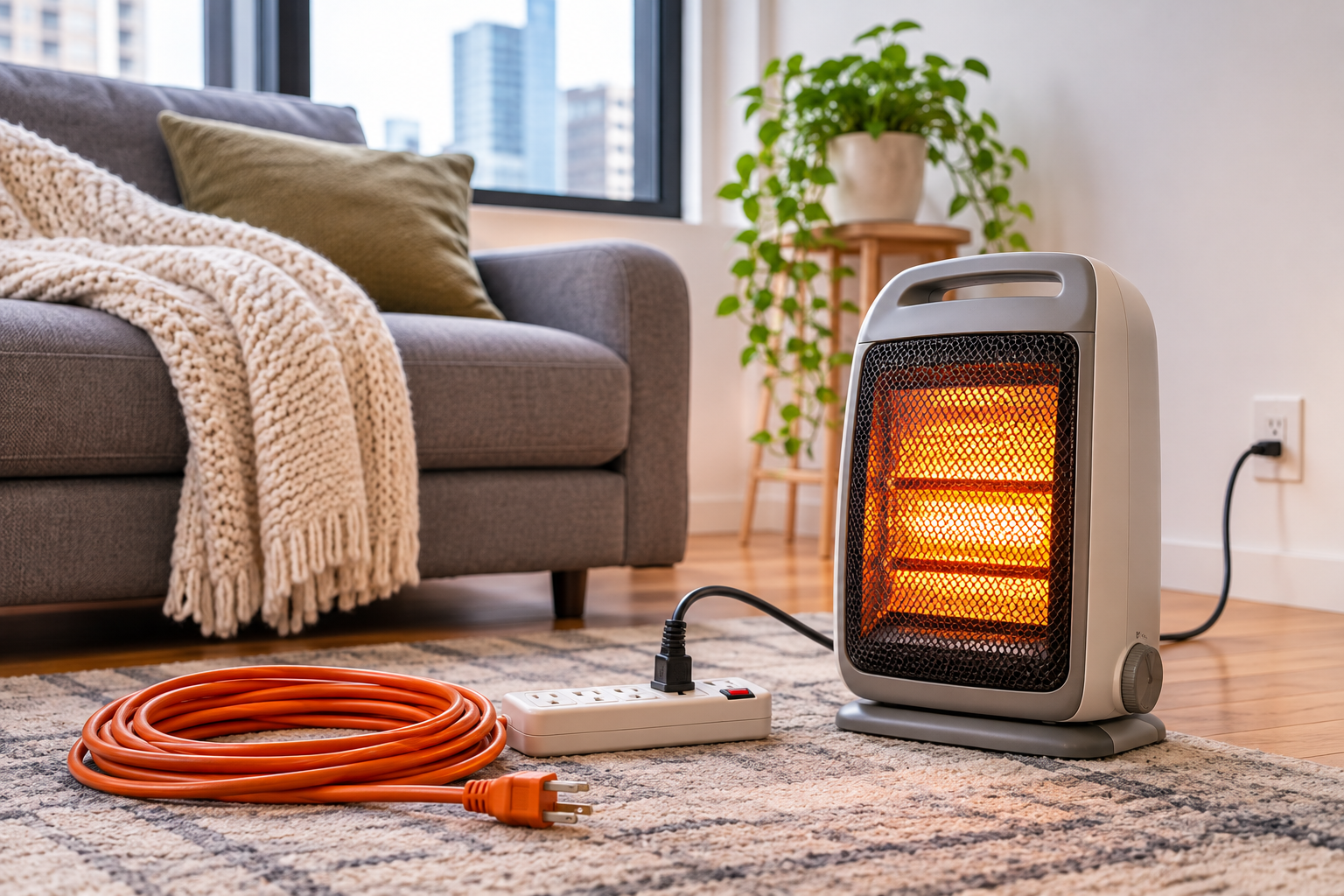
Why a small heater deserves a second look
When the first cold snap hits, a plug-in heater under the desk feels like an easy fix. The numbers say it needs care. In 2011 to 2015, space heaters were involved in 43 percent of U.S. home heating fires and 85 percent of home heating fire deaths, according to an NFPA report summarized by OH&S. The U.S. Consumer Product Safety Commission estimates portable heaters cause about 1,700 fires and 80 deaths a year, as cited by PIRG.
In an apartment building, a fire in your unit puts your neighbors at risk too. The good news is that most heater fires trace back to a few habits that are easy to change.
Plug: straight into the wall
A space heater pulls a lot of power for a small appliance. Extension cords and power strips are not built for that kind of steady load, and they can overheat where you cannot see it. Plug the heater directly into a wall outlet and make sure the plug fits snugly, as PIRG advises. Keep other heat-producing appliances off that same outlet, which matches the NFPA tip to run only one at a time.
When you shop, look for a heater tested by a lab such as UL, CSA or Intertek (ETL), and one with a tip-over shutoff.
Space: three feet of clear room
Keep the heater at least three feet from anything that can burn. In a small apartment that means thinking about the usual suspects:
- Curtains and blinds
- Bedding, couches and piles of laundry
- Papers, cardboard boxes and clothing
- Rugs, since the heater should sit on a level, hard, nonflammable surface
If the heater cannot sit three feet clear of everything, move it or skip it for that room. Keep children and pets out of the zone too.
Watch: never leave it running alone
Turn the heater off whenever you leave the room or go to sleep, as the NFPA advises. That includes quick trips to the store and the nap on the couch.
If your apartment is too cold to sleep in without a heater running, that is a heating problem worth reporting (see the last section).
Extension cords: fine for lamps, not for heaters
The rule for space heaters is simple: no extension cord, ever. For everything else, a cord is a short-term helper, not permanent wiring. A few habits keep it safe:
- Match the cord to the device. Check the rating on the cord’s label and do not plug in something that draws more than it allows.
- Do not run cords under rugs, through doorways, or behind furniture where they get pinched and cannot cool.
- Do not chain one cord or power strip into another.
- Retire any cord with cracked insulation, bent prongs, or exposed wire.
- If a plug or cord feels warm, unplug it and stop using it.
Warning signs: unplug and stop
Unplug the heater and stop using it if you notice any of these:
- A cord or plug that feels hot. PIRG notes that a hot plug or outlet can point to an electrical problem that needs a qualified electrician.
- A burning smell, scorch marks, or discoloration around the plug or outlet
- A frayed or damaged cord
- Lights that flicker or a breaker that keeps tripping when the heater runs
Please do not try to repair an outlet or wiring yourself. Report it to your property manager or landlord. If you ever see smoke or flames, get everyone out and call 911 first.
If your apartment feels cold, speak up
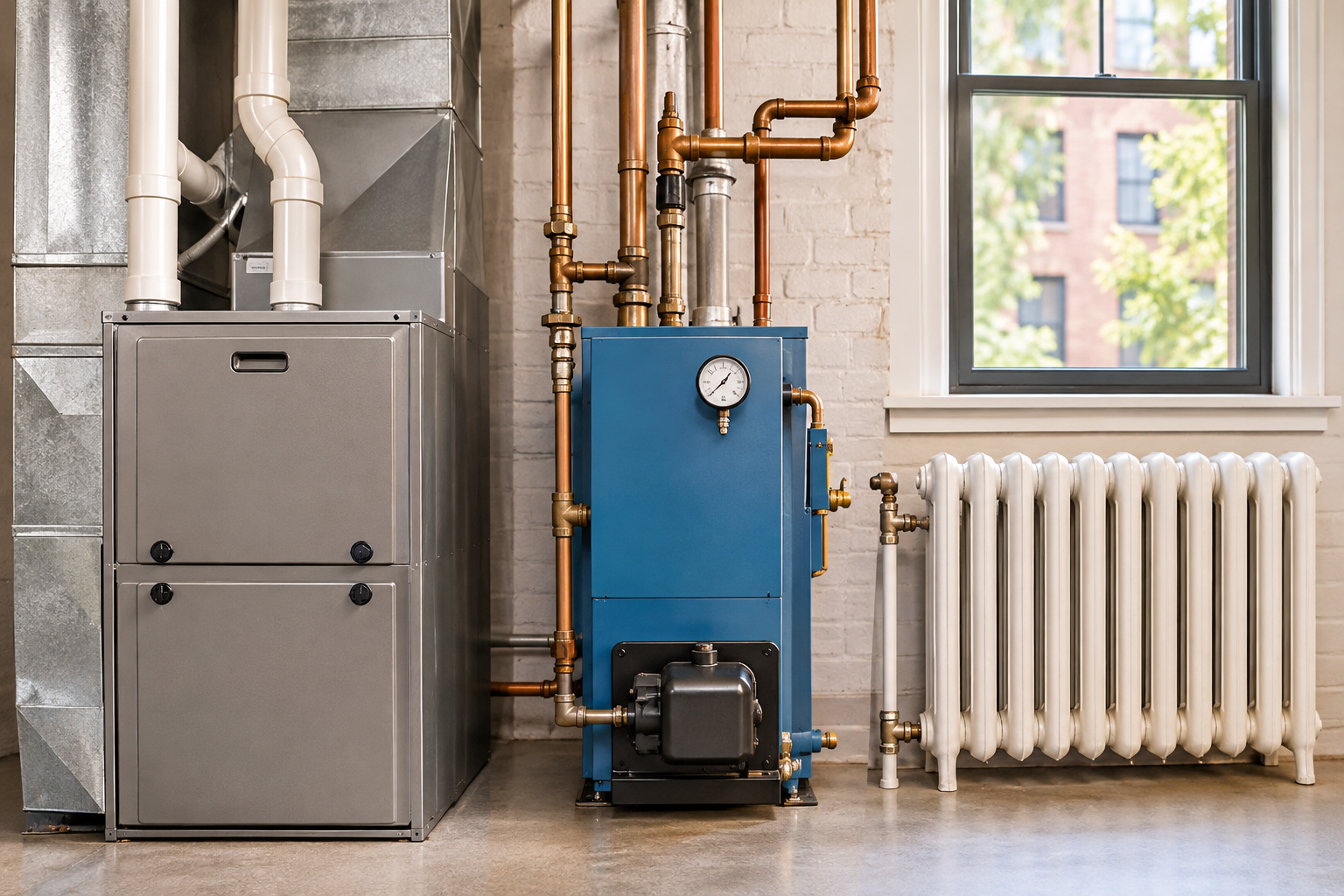
A heater should be a short-term comfort, not a way to make up for a heating problem. If your apartment stays cold, a radiator is not working, or an outlet looks damaged, report it to your property manager or landlord in writing, with your unit number and a good time for a visit. Keeping a record of your request protects you and helps get it fixed faster.
Stay warm, and keep it Plug, Space, Watch.