

What First-Time Renters Should Know Before Moving to Chicago
Moving to a new city is exciting, but Chicago has its own rhythm, and a little preparation goes a long way. Whether you're relocating for work, school, or a fresh start, here's what to know before you sign a lease in the Windy City.
Understand the Neighborhoods First
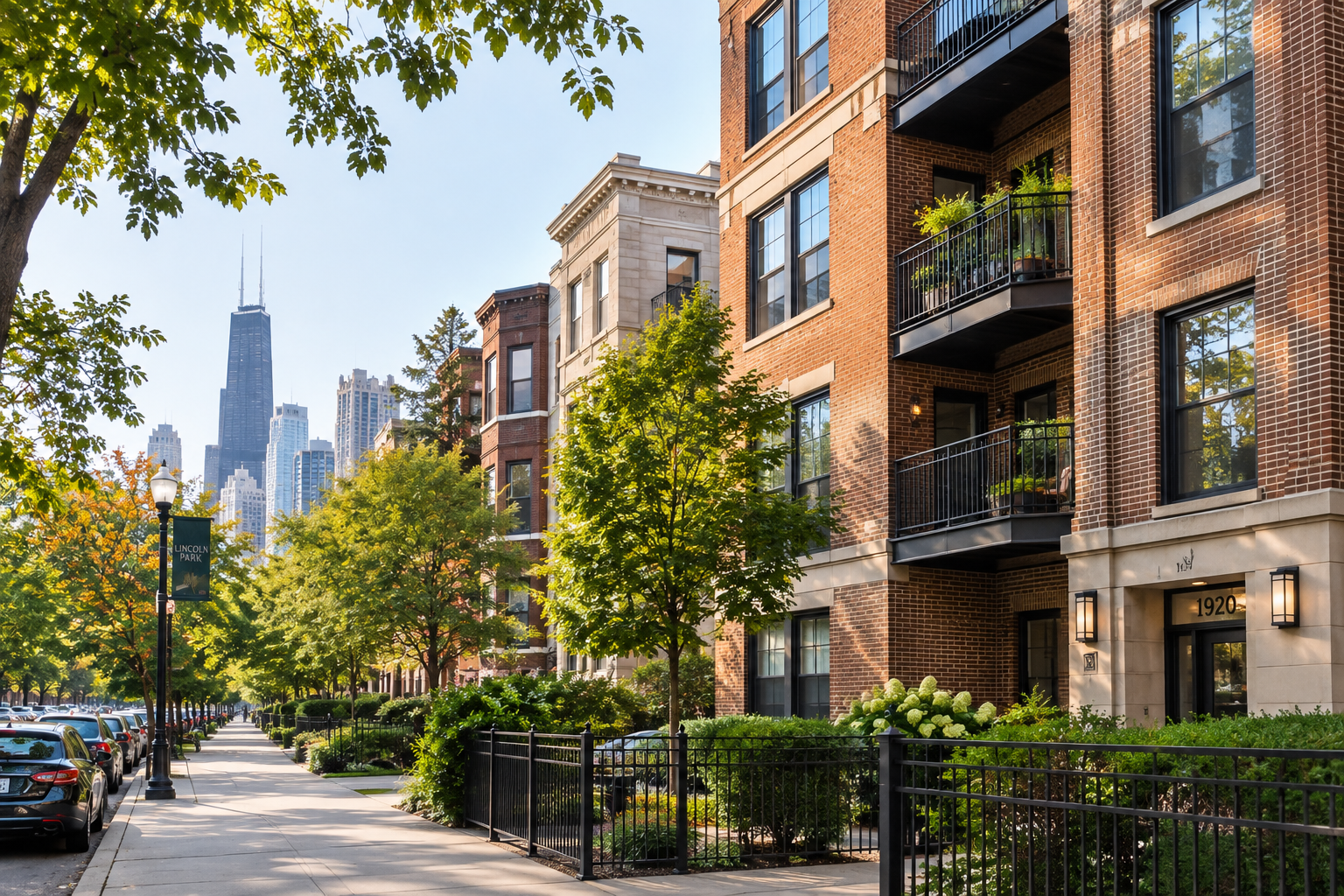
Chicago is a city of neighborhoods, and each one has a different feel, price point, and commute. Lincoln Park and Lakeview lean lively and walkable. Logan Square and Avondale offer more space for the price with a growing food and nightlife scene. The South Loop and West Loop put you close to downtown with newer buildings. Spend time researching (or better, visiting) a few areas before committing, since your commute and lifestyle will shape how much you enjoy living here.
Budget for More Than Just Rent
Rent is the headline number, but it's not the whole picture. Factor in:
- Utilities - heat, electric, water, and internet, which can vary widely depending on the building and season
- Move-in fees or security deposits - policies differ by building and management company
- Renters insurance - often required, and inexpensive relative to the protection it provides
- Parking - if you have a car, garage or street parking can add a real cost, especially in denser neighborhoods
Know Chicago's Lease Norms
Most Chicago leases run for 12 months and typically start on the first of the month. Many buildings also follow specific notice requirements for renewals or move-outs, so read your lease closely, especially the sections on notice periods, subletting, and pet policies. If anything is unclear, ask before signing.
Winter Is a Real Factor
Chicago winters are no joke. Before you move, ask about:
- Heating type and average utility costs in winter months
- Snow removal responsibilities (yours or the building's)
- Parking rules during snow emergencies, if you're driving
A little planning here saves a lot of frustration once temperatures drop.
Get to Know Public Transit
The CTA (bus and train) connects most of the city, and many renters choose their neighborhood based on proximity to an L stop. If you're not planning to drive, check transit times to work or school before choosing a unit; a few blocks can make a real difference in your commute.
Ask About the Application Process Early
Chicago rental applications typically require proof of income (pay stubs or an offer letter), a credit and background check, and sometimes a cosigner if you're new to the workforce or building credit. Having these documents ready ahead of time can speed up the process, especially in a competitive rental market.
Final Tip: Ask Questions
A good property management team should be able to answer questions about maintenance response times, building policies, and what's included in your rent. Don't be afraid to ask before you sign. The right questions now can save you headaches later.
Looking for your next place in Chicago? Reach out to our team; we're happy to help you find a home that fits your budget and lifestyle.