
What to Do During a Power or Water Outage in Your Apartment
A power or water outage can quickly disrupt your daily routine. Whether you lose electricity while preparing dinner or turn on the faucet and find no running water, knowing what to do can help you stay safe and manage the inconvenience.
If you live in an apartment building, an outage may affect only your unit, several apartments, or the entire neighborhood.
Here are practical steps you can take to protect yourself, report the issue, and prepare while waiting for service to return.
1. Check Your Apartment First
Before reporting an outage, take a moment to identify what is affected.
If you lose power:
- Check whether the lights and outlets throughout your apartment are affected.
- If it is safe, check whether hallway lights or neighboring units also appear to have lost power.
- If only one area is affected, note which lights, outlets, or appliances are not working.
- Check your electric utility's official outage information to see whether a wider interruption has been reported.
If you lose water:
- Check whether both hot and cold water are affected.
- Try another faucet to determine whether the issue is limited to one fixture.
- Ask a neighbor whether they are experiencing the same problem, if convenient.
Do not enter restricted utility rooms or attempt to inspect building systems yourself. These observations can help your property management team determine the next steps.
2. Report the Problem to Property Management
Once you have identified the issue, contact your property management team through the designated maintenance portal, email, or other reporting channel.
Include the following information:
- Your apartment number
- Whether the outage involves electricity, water, or both
- When the issue started
- Which areas or fixtures are affected
- Any unusual signs, such as a burning smell, leaking water, or repeated breaker trips
If the problem affects multiple apartments, mention that as well. The more specific your report, the easier it may be to determine whether the issue is isolated to your unit or part of a larger service interruption.
For electricity outages in Chicago, you can also check ComEd's official outage information. For water service disruptions, consult official City of Chicago updates when available.
Continue following your property's communication procedures for maintenance updates and restoration information.
3. What to Do While the Power Is Out
Losing electricity can affect your lighting, appliances, internet connection, and other everyday necessities. These precautions can help you manage until service returns.
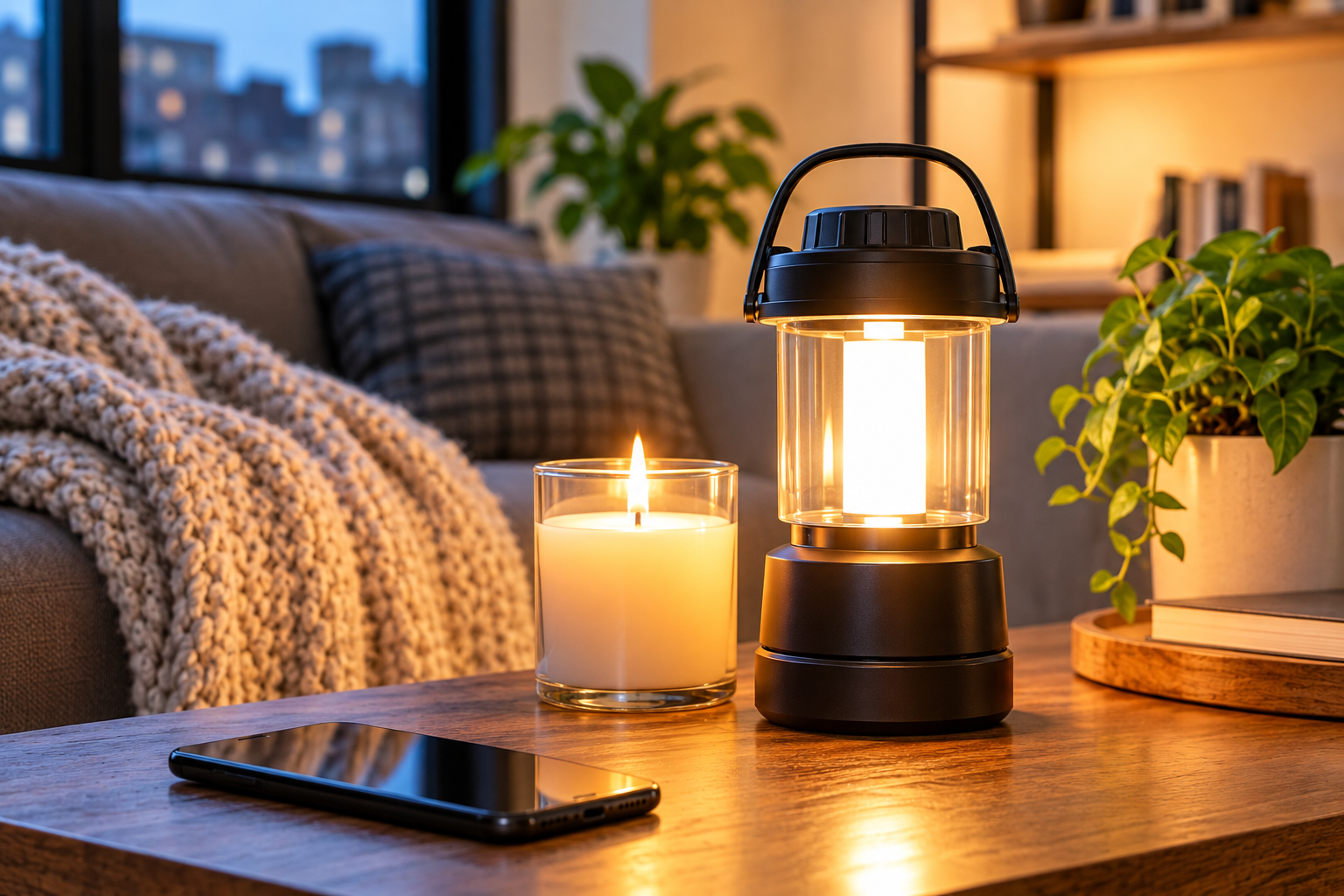
- Use a flashlight instead of candles. Battery-powered lights reduce the risk of an accidental fire.
- Protect your electronics. Unplug sensitive devices if appropriate and leave one light switched on so you know when power is restored.
- Keep refrigerator and freezer doors closed. This helps keep food cold for longer. Discard food that may have become unsafe rather than relying on its appearance or smell.
- Avoid elevators. Use stairs when safe, and never attempt to force open elevator doors. If someone is trapped, contact emergency services or the building's designated emergency contact.
- Keep your phone charged. Use a power bank if available and conserve battery by limiting nonessential use.
- Plan for essential needs. If you rely on powered medical equipment, follow your backup plan and seek assistance immediately if the equipment can no longer operate safely.
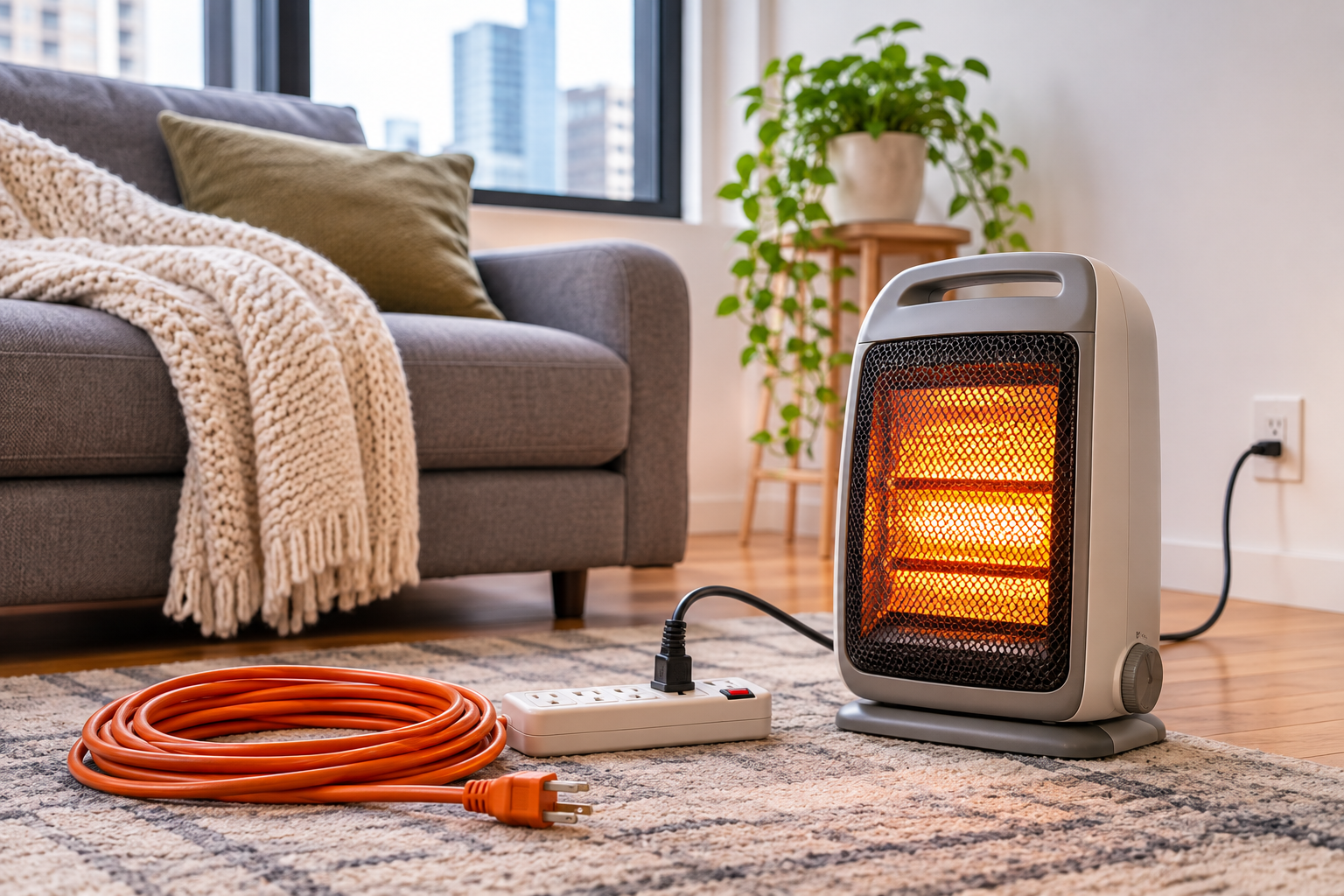
Never use a gas oven, stovetop, charcoal grill, or fuel-powered generator to heat your apartment. These can create dangerous fire or carbon monoxide hazards.
If you notice smoke, sparks, or a burning smell, stay away from the affected area. Call 911 if there is an immediate danger.
4. What to Do While the Water Is Out
A water outage can affect drinking, cooking, bathing, washing dishes, and using the toilet. Until service returns, prioritize essential needs.
- Use safe drinking water. Keep bottled water available for drinking, preparing food, and brushing your teeth.
- Limit water use. Save any available water for essential activities until you know how long the interruption may last.
- Follow sanitation guidance. Avoid unnecessary toilet flushing and follow building instructions if plumbing service is interrupted.
- Be cautious when service returns. If officials issue a boil-water advisory or other water safety notice, follow those instructions before drinking tap water or using it for food preparation.
- Report leaks promptly. If you notice water collecting on the floor, ceiling stains, or signs of a burst pipe, notify management. Stay away from water near electrical outlets or equipment.
If you run out of safe drinking water or the outage creates a sanitation concern, contact your property management team for guidance.
5. Know What Not to Do
An outage can be frustrating, but attempting an unauthorized repair may make the situation more dangerous.
Avoid opening electrical panels or restricted utility rooms, handling exposed wiring, modifying plumbing, or attempting repairs that require a qualified professional.
If a breaker trips repeatedly, do not keep resetting it. If an outlet feels unusually hot, you notice scorch marks, or you smell something burning, stop using the affected equipment and report the problem.
Never connect your apartment to a neighbor's electrical supply or water connection as a workaround.
Report the issue and allow qualified personnel to investigate and complete any necessary repairs.
6. Know When to Seek Emergency Help
Some situations require more than a routine maintenance request.
Call 911 if you encounter a fire, smoke, a serious electrical hazard, or another immediate threat to your safety. If you suspect a gas leak, leave the area immediately without operating electrical switches or creating sparks, then call 911 or the appropriate emergency utility service from a safe location.
If an outage affects essential medical equipment, follow your emergency plan and seek immediate assistance when needed.
For other outages, notify property management promptly and follow instructions from the relevant utility provider or local authorities. Do not wait for a routine maintenance response if conditions become dangerous.
7. Prepare for Future Outages
You cannot always predict when an outage will occur, but keeping a few essentials on hand can make the experience less stressful.
Consider keeping these items in your apartment:
- A flashlight and spare batteries
- Bottled drinking water
- A portable phone charger or power bank
- Nonperishable food
- Basic first-aid supplies
- Important property management and utility contact information
It is also helpful to know how to submit a maintenance request, where to find official utility updates, and what emergency procedures apply to your building.
If you experience an outage, keep a record of when it started and when you reported it. This can help you follow up if the issue continues.
Stay Prepared and Keep Your Property Management Team Informed
Power and water outages can be inconvenient, but knowing how to respond can help you protect your household and avoid unnecessary risks.
Check what is affected, report the issue promptly, follow safety guidance, and avoid attempting repairs on your own. If the outage continues or creates an unsafe condition, contact your property management team for further instructions.
At NXT Realty, we encourage residents to stay informed, report maintenance concerns promptly, and take practical steps to prepare for unexpected interruptions. A little preparation can make a difficult situation easier to manage.